Welcome to the new drvn experience! For assistance with bookings or any services, please visit our contact page
A woman with long hair is sitting in a bus seat.
where comfort meets capacity

Global Charter Coordination

Effortlessly move large groups from hotels to conventions or manage city schedules with drvn's innovative platform. Our network of licensed partners and cutting-edge technology guarantee seamless travel coordination.
long-distance journeys

Group Travel Bus Service

drvn coordinates comprehensive charter solutions for extended group travels by leveraging its network of licensed partners. Whether it's a multi-city corporate retreat or a sports team tour, we ensure a seamless and comfortable journey.

Each charter bus is equipped with modern amenities, including luxurious seating, climate control, and onboard Wi-Fi, making long-distance travel both convenient and enjoyable. With expert chauffeurs who specialize in long-distance travel, drvn prioritizes your group’s safety and comfort throughout the journey. Our team handles every logistical detail, from route planning to real-time tracking, ensuring a seamless travel experience.

Request a Quote for Your Next Group Journey
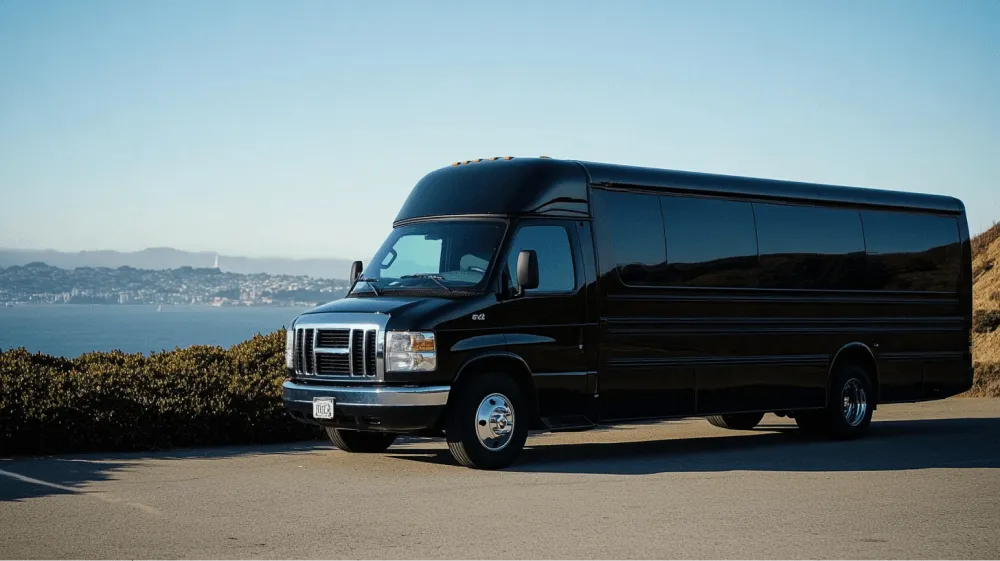
A black van is parked on the side of the road.
globally scalable

Explore Service Options Provided by Partners

DECORATIVE

Not Rideshare!

You can book Economy Class service through your local rideshare provider, but if you're looking for a convenient, professional black car service, you'll want to make sure you're booking drvn chauffeur service.
Learn More
about our private

Charter Transportation

Charter for Groups, Micro to Macro

When your event keeps growing, managing transportation can become a challenge. At drvn, our charter transportation team offers scalable solutions to fit any situation. Leveraging advanced logistics and a vast fleet of charterable vehicles, we adapt to your needs—whether scaling up, down, or sideways. Because sometimes, life just happens.
A woman wearing a brown jacket and blue jeans sitting in a car.

Charter Buses for Large Groups

Conventions require more than buses—they demand expert logistics and coordinated on-site and off-site management for multiple pickup and drop-off points. While conventional bus companies may fall short, drvn delivers. With our extensive fleet and advanced logistics capabilities, we provide everything you need to ensure smooth and efficient transportation for your large-scale events.
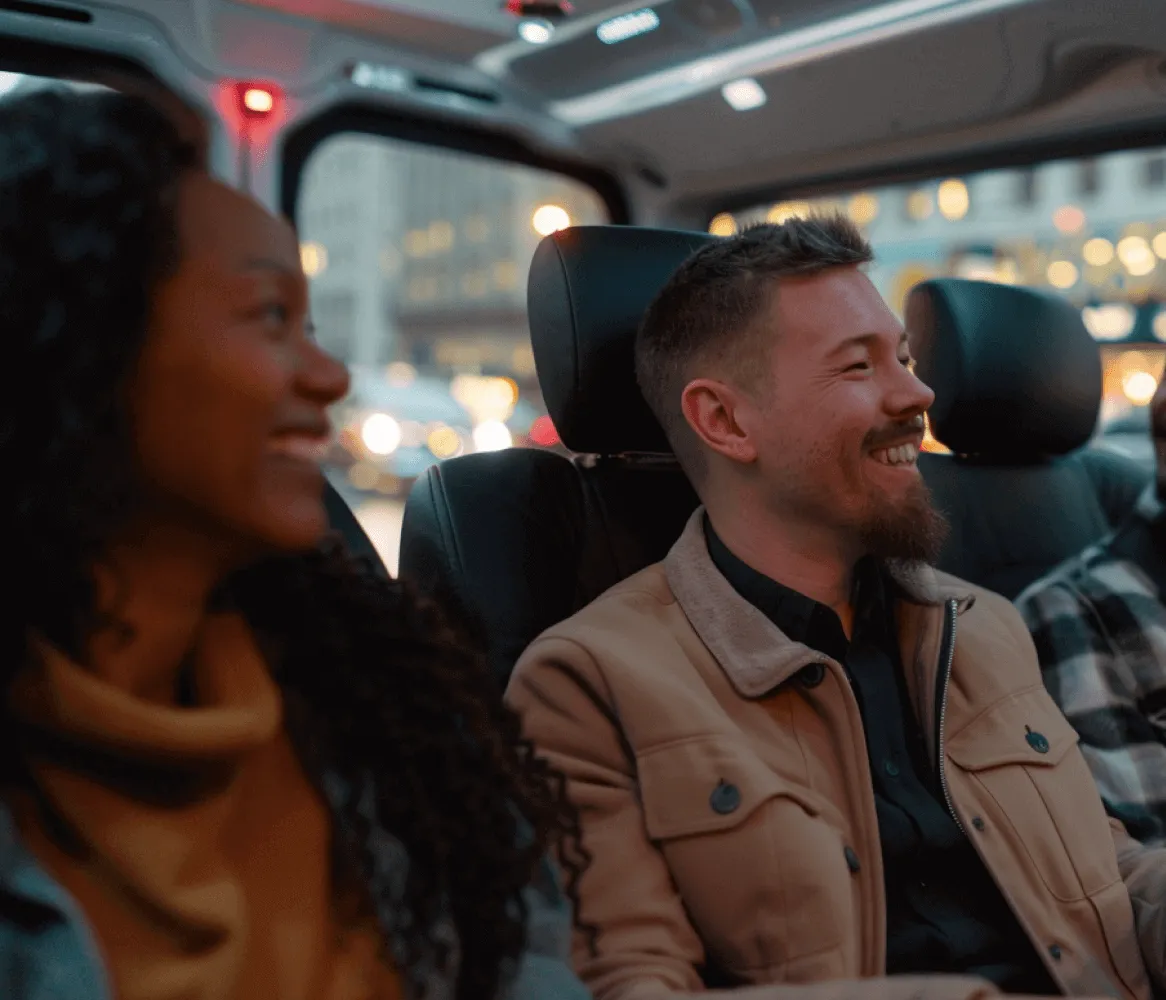
A man and woman are sitting in a vehicle, smiling and enjoying their time together.

Sprinters for Smallish Groups

Planning a smaller event? Enter the versatile and luxurious Sprinter, the unsung hero of drvn’s charter fleet. Accommodating up to 14 passengers, the Mercedes Sprinter offers unparalleled comfort and convenience. With spacious interiors for extra headroom and room to stretch, this vehicle delivers a premium travel experience at a cost-effective price. For intimate group travel, the Sprinter is your ultimate solution.
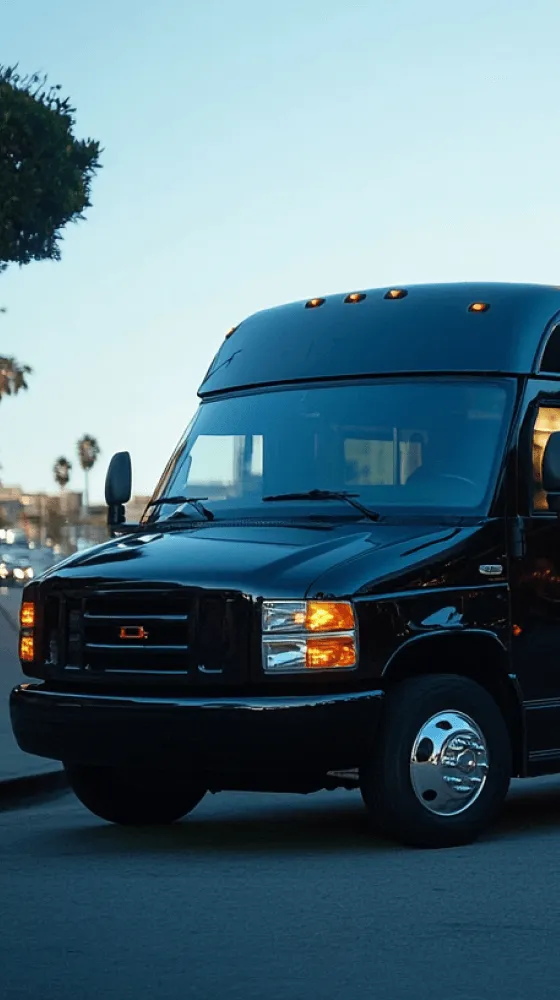
A black van with a group of people standing in front of it.

A Charter Bus, Your Way

drvn coordinates scalable solutions for big events, offering the flexibility and reliability needed through licensed transportation providers for transfers, shuttles, and multi-day plans.
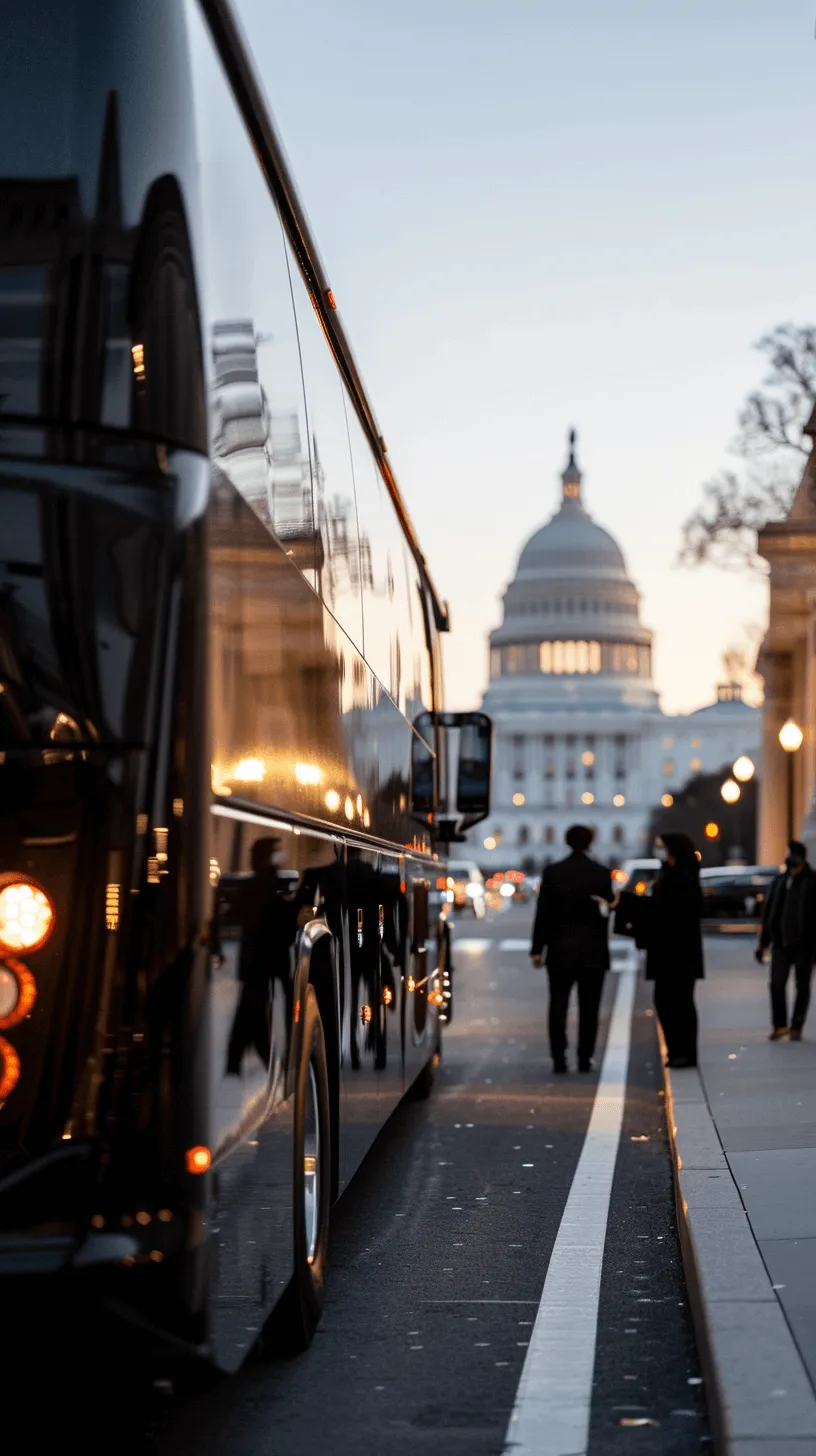
A black bus with a white star on the front.
DECORATIVE
still have questions?

Drvn Ride Specialists have Answers.

and nothing but

The FAQs

What are the best transportation options for large-scale events?

For large-scale events, common ground options include shuttle buses and motorcoaches for high-volume movement, smaller vans or Sprinter-type vehicles for breakouts and staff, and ADA-compliant vehicles to support accessibility. The most effective setups use a centralized platform like drvn to plan routes, designate pickup and drop-off zones, stagger schedules, and monitor status in real time, while transportation is delivered by independently licensed and insured carrier partners.

How far in advance should I plan event or group transportation?

For most programs, it’s smart to plan event or group transportation at least 2–4 weeks in advance, and 6–8 weeks ahead for large conferences, citywides, or complex multi-venue movements. This gives you time to lock in vehicle types, routes, and staging windows, then refine manifests as attendee details change. All movements can be coordinated through drvn’s reservation platform, with transportation fulfilled by independently licensed and insured carrier partners.

What measures are being taken to improve cybersecurity in connected vehicles?

Automakers and tech providers are treating connected vehicles more like smartphones on wheels, adding stronger encryption, secure over-the-air (OTA) updates, and stricter access controls to protect critical systems. Many now use network segmentation (separating infotainment from safety systems), regular penetration testing, and follow emerging industry standards and regulations, often working with cybersecurity specialists, to find and fix vulnerabilities before attackers can exploit them.

How does Mobility as a Service (MaaS) change urban commuting?

Mobility as a Service (MaaS) revolutionizes urban commuting by consolidating separate transportation options, such as public transit, shared bikes, car services, shuttles, and even micro-mobility, into a single, integrated experience. Instead of planning each leg separately, commuters can see routes, compare options, and pay in one place, often through a single app or platform. For cities and employers, MaaS makes it easier to design door-to-door journeys that reduce private car use, optimize capacity, and improve reliability, while platforms like drvn can plug in as one of the coordinated ground-transportation components alongside other modes.

How is artificial intelligence enhancing transportation systems?

Artificial intelligence is enhancing transportation systems by helping them run smarter, safer, and more efficiently. AI can optimize traffic signals and routing to reduce congestion, predict when vehicles or infrastructure need maintenance, and improve fleet management by matching the right vehicle to the right trip at the right time. In both public and private transport, it also powers features like real-time arrival predictions, demand forecasting, and navigation support for connected and autonomous vehicles, leading to smoother operations and a better experience for travelers.

How does drvn improve conference travel?

drvn improves conference travel by giving planners one place to coordinate all ground movements instead of juggling multiple vendors, apps, and spreadsheets. Through the platform, you can centralize airport transfers, hotel-venue shuttles, VIP movements, and off-site routes; manage manifests and time windows; and track changes and status in real time so agendas stay on schedule. Travel managers and event teams get clearer visibility into usage, costs, and service levels across cities, while transportation itself is fulfilled by independently licensed and insured carrier partners.

Why is ground transportation a critical part of conference planning?

Ground transportation is what keeps your conference schedule real instead of theoretical. When arrivals, hotel shuttles, and venue transfers are coordinated, attendees, speakers, and VIPs actually make it to sessions, dinners, and off-sites on time, without confusion or bottlenecks at key touchpoints.

What makes a city great for conferences?

A great conference city offers easy accessibility, top-tier venues, diverse accommodations, and vibrant local attractions. It should have a major international airport, state-of-the-art convention centers, reliable transportation, and a variety of dining and entertainment options to enhance the attendee experience. A strong business ecosystem and opportunities for networking and team-building activities also make a city more appealing for corporate events.

How does ecotourism benefit the local community?

Ecotourism benefits local communities by creating sustainable income opportunities, such as jobs in guiding, hospitality, and conservation. It also promotes small businesses, as travelers are encouraged to support locally owned accommodations, restaurants, and artisans. Additionally, revenue from ecotourism often funds community projects, like education and healthcare, and motivates residents to preserve their natural and cultural heritage, ensuring long-term benefits for both the community and the environment.

Are eco-resorts more expensive?

Eco-resorts are not necessarily more expensive; their pricing varies based on location, amenities, and level of luxury. While some eco-resorts may charge premium rates due to their sustainable practices and unique experiences, others offer affordable options that cater to budget-conscious travelers. The value often comes from knowing that your stay supports environmental conservation and local communities, making it a worthwhile investment for those seeking a more meaningful travel experience.

What is the difference between ecotourism and sustainable tourism?

Ecotourism usually refers to travel to natural areas with a focus on wildlife, nature, and low-impact activities; think small-group trips to parks, forests, or reserves that support conservation and local communities. Sustainable tourism is broader: it’s about making all kinds of travel (cities, resorts, business trips, cruises, etc.) less harmful and more positive over time, by reducing environmental impact, respecting local cultures, and supporting fair economic conditions for the people who live and work in those destinations.

How can I practice ecotourism on my next trip?

You can practice ecotourism by making choices that minimize your environmental impact and support local communities. Choose eco-friendly accommodations, such as eco-lodges, and use reusable items to reduce waste. Opt for activities like guided nature tours that prioritize conservation and education. Support the local economy by eating at locally owned restaurants, buying handmade goods, and hiring local guides. Finally, respect the environment and culture by following guidelines, staying on marked trails, and learning about the traditions of the places you visit.

What is ecotourism, and why is it important?

Ecotourism is a form of travel that focuses on visiting natural areas in a low-impact, responsible way that supports conservation and local communities. It’s important because, when done well, it helps protect ecosystems, generates income for people who live in or near those environments, and encourages travelers to understand and respect local cultures and wildlife instead of exploiting them, turning tourism into a tool for long-term environmental and social benefit rather than harm.

Are airport transfers available in all cities and airports?

drvn supports airport transfers in many major cities and markets worldwide, but coverage depends on the presence of independently licensed and insured carrier partners in each area. When you share your itinerary, the drvn team or your program contact will confirm availability for the specific airports and locations you need and coordinate reservations through the platform where coverage is in place.

What is the difference between private and shared airport transfers?

Private airport transfers use a dedicated vehicle for just your traveler or group, usually with a direct route, flexible timing, and clearer support for baggage, waiting time, and duty-of-care needs. Shared airport transfers combine multiple unrelated passengers in the same vehicle on a fixed route or schedule, with extra stops and less control but lower per-person cost. Through drvn’s platform, organizations typically coordinate private, pre-arranged transfers and group movements with independently licensed and insured carrier partners, rather than seat-by-seat shared shuttles.

What is the best way to handle emergencies while traveling alone?

The best way to handle emergencies while traveling alone is to prepare in advance. Keep emergency contacts, local authorities' numbers, and your country’s embassy information easily accessible. Carry a backup phone charger and essential documents, like copies of your passport and insurance details. Use safety apps like bSafe to alert trusted contacts in critical situations. Stay calm, assess the situation, and seek help from hotel staff, local guides, or authorities if needed. Being prepared ensures you can act quickly and confidently.

What should I avoid sharing on social media while traveling alone?

When traveling alone, avoid sharing real-time location updates or your specific itinerary on social media, as this can make you vulnerable to unwanted attention or risks. Wait until you’ve left a location to post photos or updates. Additionally, avoid sharing personal details like your hotel name, room number, or plans to meet someone, as this information can be exploited. Prioritize your privacy to ensure a safe and enjoyable journey.

What resources should I locate upon arrival in a new country?

Upon arriving in a new country, locate essential resources such as the nearest hospital or clinic, police station, and your country’s embassy or consulate. Familiarize yourself with local emergency numbers, as these vary by country. Identify nearby pharmacies, supermarkets, and transportation hubs for daily needs. If you’re staying in a hotel, ask the staff for recommendations and safety tips specific to the area. Knowing these resources ensures you’re prepared to handle emergencies and navigate your new surroundings confidently.

What steps can I take to avoid scams while traveling?

To avoid scams while traveling, book transportation and lodging through trusted platforms or official sites, avoid clicking on unsolicited links or QR codes, double-check URLs and reviews before entering payment details, and never pay with wire transfers, gift cards, or unknown payment apps; when in doubt, contact the provider directly using a verified phone number or website rather than numbers or links sent in unexpected messages.

What is black car service?

Black car service is a pre-booked, premium form of ground transportation that uses high-quality vehicles and professional chauffeurs to provide a more comfortable, reliable, and discreet experience than typical street taxis or on-demand rideshares. Trips are usually scheduled in advance, with clear standards for vehicle condition, timing, and service, making black car service a common choice for corporate travel, events, and VIP movements, often coordinated through platforms like drvn, with transportation fulfilled by independently licensed and insured carrier partners.

What skills do you need to be a chauffeur?

To work as a professional chauffeur for independently licensed and insured carrier companies, drivers typically need excellent driving skills, a strong safety record, and deep familiarity with local roads, traffic patterns, and key destinations. Just as important are soft skills: clear communication, discretion, polished appearance, and the ability to stay calm and adaptable when plans change or clients have special requests.

What is the difference between a driver and a chauffeur?

A “driver” is anyone who operates a vehicle, but a “chauffeur” typically refers to a professional driver focused on service, discretion, and comfort in a premium, pre-booked setting. Chauffeurs working for independently licensed and insured carrier companies are usually trained in local routes, guest etiquette, schedule management, and safety expectations, and they follow defined standards for appearance, communication, and vehicle presentation, especially when trips are coordinated through a platform like drvn for business, event, or VIP travel.

How much do chauffeurs make?

Chauffeurs’ earnings vary based on factors like location, employer, and experience level. On average, chauffeurs in the U.S. earn between $35,000 and $65,000 per year, with the potential for additional income through tips. High-end positions or roles with private clients may offer higher salaries, especially for those with specialized skills or extensive experience.

What role does sustainability play in corporate travel today?

Sustainability is now a core pillar of corporate travel, not a side topic. Many organizations are expected to track and report emissions, choose routes and modes that lower their footprint, and work with suppliers that have clear environmental standards. For travel managers, that means weaving sustainability into policy, approvals, and vendor selection—balancing cost, duty of care, traveler experience, and environmental impact in every trip decision.
Thank you! Your submission has been received!
Oops! Something went wrong while submitting the form.