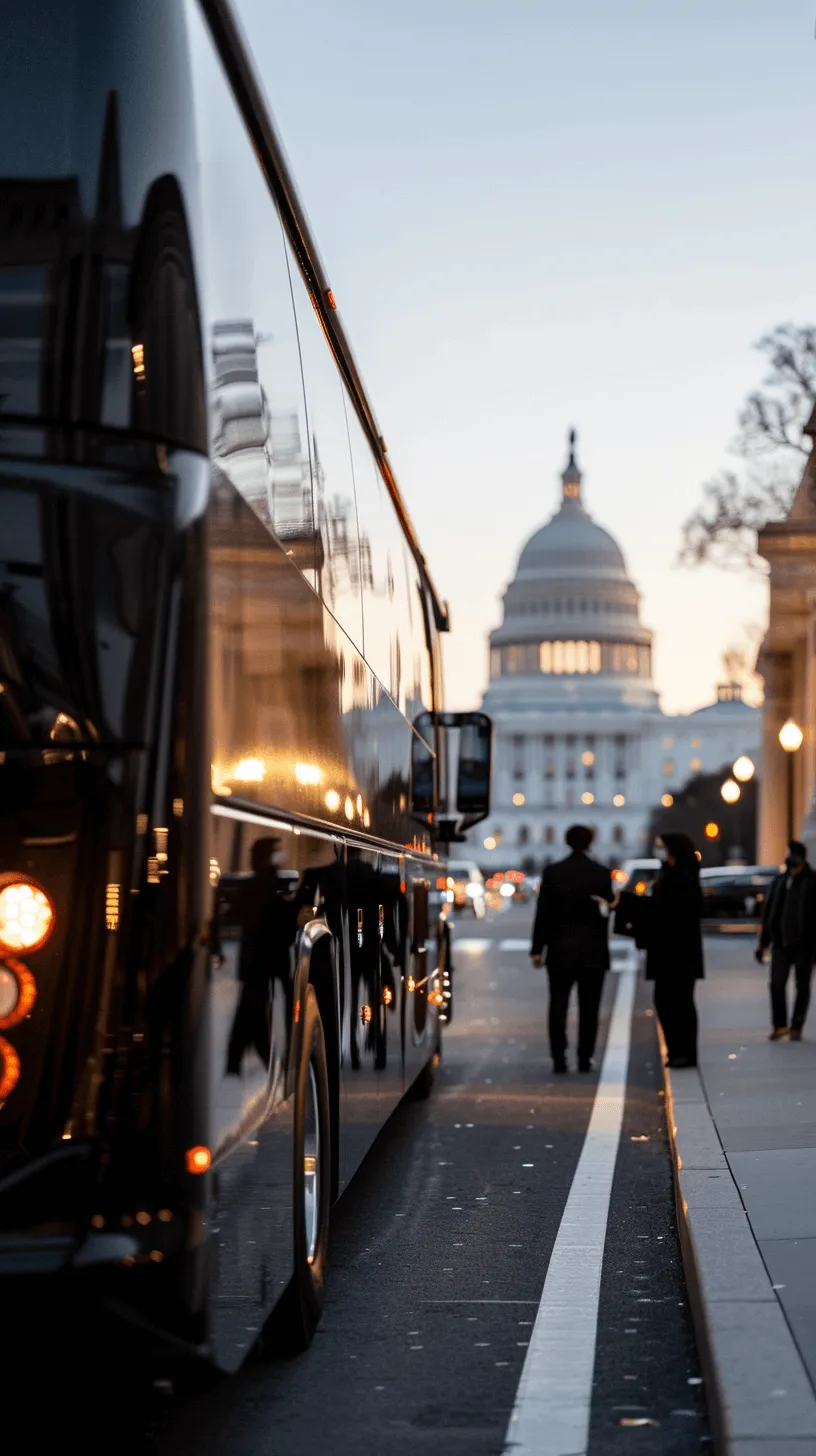
Enhance your team's satisfaction and productivity with drvn's technology-enabled reservation platform for employee transportation.
why choose drvn
Benefits of Employee Transport
Technology-Driven
drvn's platform uses advanced technology for real-time GPS tracking, offering precise updates on chauffeur partner vehicle locations and arrival times.
Global Coverage
drvn's network spans over 200 markets worldwide, combining global reach with local expertise to ensure seamless coordination.
Tailored Solutions
drvn offers tailored solutions designed to fit the specific requirements of your business, whether it's daily commutes or special event transportation. We work closely with you to deliver a seamless and personalized travel experience for your employees.
You can book Economy Class service through your local rideshare provider, but if you're looking for a convenient, professional black car service, you'll want to make sure you're booking drvn chauffeur service.
Facilitate stress-free daily commutes through drvn's networked transportation solutions, eliminating reliance on crowded public transport.
Group Shuttles
Facilitate seamless team movements with drvn. Whether it's organizing group shuttles for daily commutes or coordinating transportation for company events, our spacious and comfortable vehicles ensure everyone arrives together and in style.
Customizable Services
drvn offers customizable solutions through its network, tailored to the specific transportation needs of your organization.
Boost Productivity
Employee satisfaction drives productivity. Eliminate the stress of unreliable transportation by providing your team with drvn's dependable, luxurious commute options. They'll arrive ready to excel, positively impacting your business outcomes.
Eco-Friendly Rides
Explore sustainable transportation options with drvn’s platform, helping reduce your company’s carbon footprint. By offering group transportation and optimizing routes, we decrease the number of vehicles on the road, promoting a greener commute for all.
still have questions?
Drvn Corporate Transportation EXECUTIVES Have Answers.
Is drvn an official partner or sponsor of the tournament?
No. Moveo Technologies Corporation (dba drvn) is entirely independent. We are not affiliated with, endorsed by, sponsored by, or officially connected with FIFA, the World Cup, or any tournament organizer. We function strictly as an independent logistics technology and reservation management platform.
Do we have live tracking on game day?
Absolutely. The VIP Portal features the Ride Management Board, providing a live manifest that gives your team real-time visibility into every reservation's status, ensuring complete peace of mind during high-stakes events.
Who operates the vehicles for 2026 World Cup transportation?
drvn is a reservation, coordination, and transportation management platform. drvn does not operate its own vehicles. Transportation booked through the VIP Portal is fulfilled by an extensive network of independently licensed and insured local chauffeur partners who comply with applicable local regulations.
Can I manage large groups attending the 2026 World Cup?
Yes. The Group Invitations feature helps event managers, hospitality teams, sponsors, and corporate travel teams coordinate high-volume attendee transportation. Passengers can submit travel details through a secure link, while your team maintains centralized oversight of billing, manifests, schedules, and ride status.
How does drvn handle 2026 World Cup transportation across multiple host cities?
The VIP Portal centralizes your 2026 World Cup ground transportation program. Instead of juggling separate local vendors in cities such as Miami, Dallas, Los Angeles, New York/New Jersey, Toronto, or Mexico City, your team can manage reservations, reporting, billing, and live ride visibility through one platform while vetted chauffeur partners execute the rides locally.
How are payouts handled?
Payouts are automated securely, providing transparent and reliable transfers of your earned commissions directly to your agency's connected account.
Who operates the vehicles?
drvn is a reservation and coordination platform, not a ride service that operates its own vehicles. All transportation booked through the VIP Portal is fulfilled by an extensive network of independently licensed and insured local chauffeur partners. All chauffeur partners are compliant with their local laws, licensing, and requirements.
How do I set my commission structure?
Once your agent account is verified in the VIP Portal, you can access the Custom Commission Engine. From there, you can configure your earnings as either a fixed monetary amount or a percentage margin per reservation.
What’s the biggest mistake planners make when scaling mobility?
The biggest mistake planners make is treating transportation as a last-minute task instead of integrating it into the event plan from the start. When mobility isn't part of the early strategy, it leads to poor visibility, rushed decisions, and preventable failures that ripple across the entire experience.
How does tech reduce costs in large-scale event transport?
Technology cuts costs by eliminating inefficiencies like empty rides, overbooking, or delayed routing decisions. With real-time data, you can optimize schedules, reduce deadhead mileage, and prevent last-minute fixes that inflate budgets.
What tools or platforms help with scalable mobility?
Look for reservation systems designed for large events, not one-off bookings. Platforms like drvn’s offer live manifests, GPS tracking, automated updates, and role-based permissions. These tools help you adjust in real time and keep operations smooth as guest volume grows.
How do I coordinate transport for a large corporate or sport event?
Coordinate transport for a large corporate or sport event by treating it like its own mini-program, not a last-minute task. Start by mapping all movements (airports, hotels, venues, off-sites, team buses, VIP routes) and grouping travelers by time window and origin/destination. Use a centralized platform like drvn to build manifests, assign vehicle types and capacities, define pickup zones and staging plans, and manage real-time changes in one place instead of across multiple vendors and threads. Throughout, rely on independently licensed and insured carrier partners to deliver the actual transportation while your team keeps control, visibility, and communication through the platform.
What does it mean to scale event transportation?
Scaling event transportation means handling more guests, routes, and venues without losing control of timing or communication. Instead of just adding more vehicles, planners use systems, like drvn’s platform, to centralize manifests, routes, and updates, giving real-time visibility into movements while independently licensed and insured carrier partners deliver the actual transportation.
How does real-time tracking improve event logistics?
Real-time tracking provides planners with instant visibility into vehicle status and location. This allows faster decision-making, proactive updates, and immediate responses to schedule changes, minimizing disruption and maintaining on-time execution across the event.
How is drvn unique compared to traditional providers?
drvn is different because it isn’t a transportation provider at all, it’s a technology-powered reservation and coordination platform. drvn doesn’t own vehicles or employ chauffeurs; instead, it centralizes booking, manifests, tracking, and communication while independently licensed and insured carrier partners deliver the actual trips. This gives travel managers and event planners one place to control and see their ground programs across cities and suppliers, without having to manage a fleet.
Can drvn handle last-minute itinerary changes?
Yes. drvn’s platform supports real-time edits to routes, manifests, and passenger assignments. Coordinators can adjust itineraries instantly, while attendees receive live notifications and updated instructions.
How does drvn’s technology integrate with event management platforms?
drvn’s platform integrates with event management systems through its proprietary reservation and manifest tools. It enables real-time synchronization of schedules, guest lists, and status updates, creating a single source of truth between mobility coordination and the wider event operation.
What is event mobility coordination?
Event mobility coordination is the process of planning and managing how attendees, speakers, and VIPs move between airports, hotels, venues, and off-sites as part of an event. Instead of booking one-off rides, planners use a platform like drvn to centralize manifests, routes, shuttles, and timing, then work with independently licensed and insured carrier partners to deliver the actual transportation so the agenda runs smoothly and attendees know exactly where to go and when.
Is defensive driving applicable to commercial drivers?
Yes, defensive driving is crucial for commercial drivers who face longer hours on the road and increased exposure to traffic risks. It helps them handle larger vehicles, improve reaction time, reduce accidents, and lower insurance costs, all while ensuring cargo and passenger safety.
Is defensive driving only for new drivers or chauffeurs?
No, even experienced drivers benefit from defensive driving. It helps correct bad habits, improves reaction time, and keeps you updated on the latest driving laws and techniques.
What exactly is defensive driving?
Defensive driving is a way of driving that focuses on anticipating problems before they happen and reducing risk on the road. A defensive driver stays alert, leaves extra space, follows speed limits, adjusts for weather and traffic, watches for mistakes from other road users, and avoids distractions like phones. The goal isn’t just to follow the rules, but to actively prevent crashes and keep everyone safer.
What are the costs associated with obtaining a chauffeur endorsement?
The cost of obtaining a chauffeur license varies by state but typically ranges from $25 to $100 for the application and licensing fees. Additional expenses may include background checks ($10–$50), medical exams ($50–$150), written and road test fees ($20–$50), and defensive driving courses ($50–$200), if required. If a commercial driver’s license (CDL) or endorsements are needed, costs may be higher. Checking with your local DMV or licensing authority will provide the most accurate fee breakdown.
How long does the chauffeur licensing process take?
The chauffeur licensing process can take anywhere from a few days to several weeks, depending on state requirements and how quickly you complete the necessary steps. Factors that affect the timeline include background checks, medical exams, written and road tests, and application processing times. Some states offer same-day approval, while others may take several weeks to review documents and issue the license. Checking with your local DMV or licensing authority can provide a more accurate timeframe.
Can I use my personal vehicle as a chauffeur?
Most regions don’t allow someone to simply use a personal vehicle as a chauffeur car; the vehicle typically needs to meet commercial requirements, including proper licensing, permits, and commercial insurance, and is usually operated under a licensed carrier company. drvn works with independently licensed and insured carrier partners who are responsible for meeting all regulatory and insurance requirements for their chauffeurs and vehicles.











.webp)
.webp)
.webp)